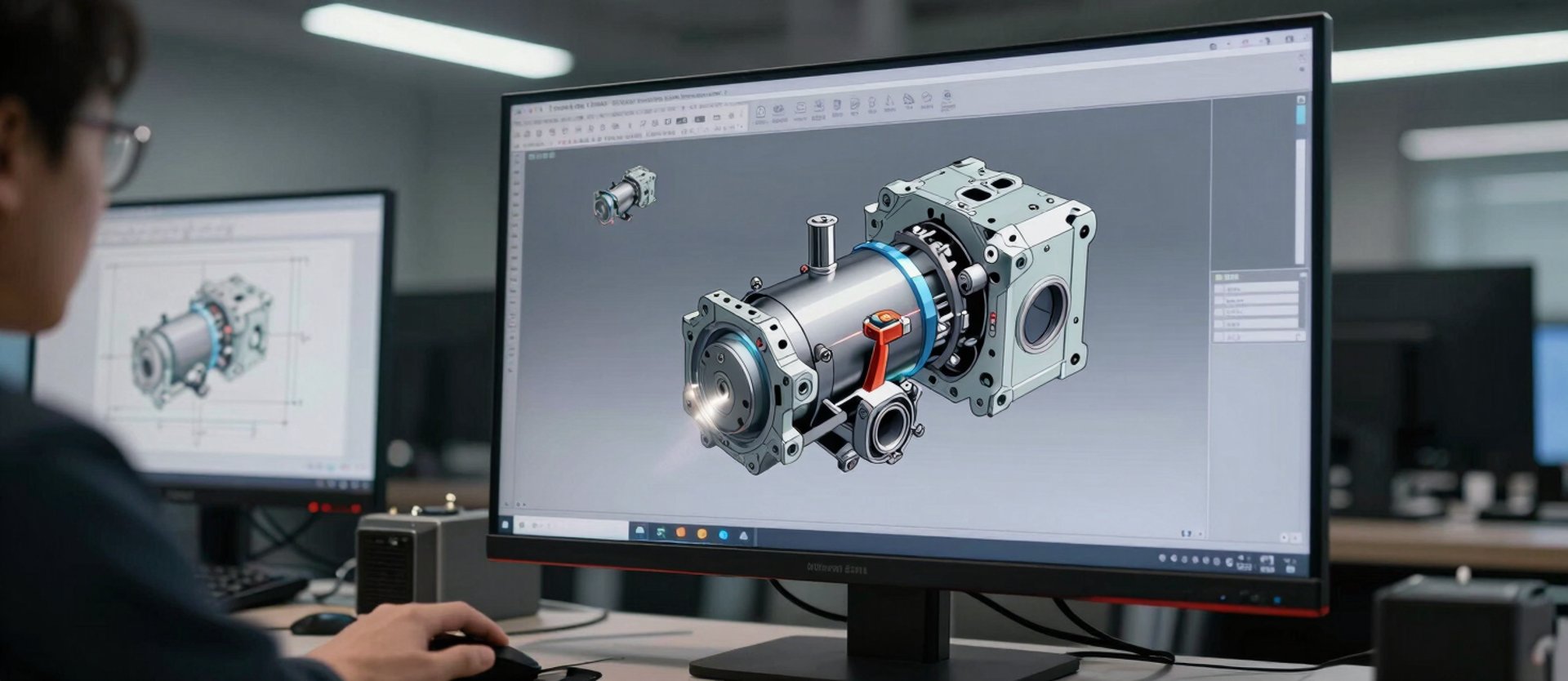
Mechanical CAD Track
SolidWorks and AutoCAD Mechanical — to manufacturing tolerances.
Every module is taught by an engineer holding an active role at a mechanical design firm. The tools, the constraints, and the assembly standards match what the shop floor actually checks.
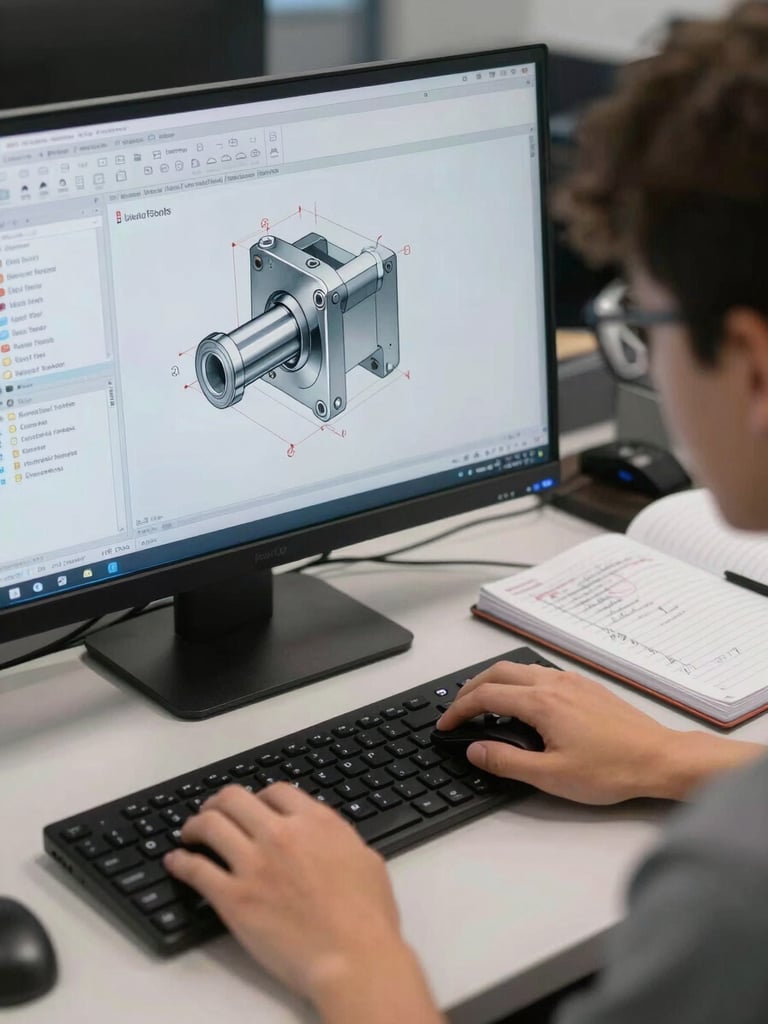
Tools mapped to real manufacturing workflows.
AutoCAD, SolidWorks, Creo ,Inventor part modeling, assembly constraints, GD&T annotation, and drawing packages to ASME Y14.5. AutoCAD Mechanical: standard parts libraries, fit tolerances, and fabrication-ready 2D output.
Your instructor holds an active mechanical design role. Session examples come from current client work — tolerancing decisions, material callouts, and revision workflows are shown in context, not abstraction.
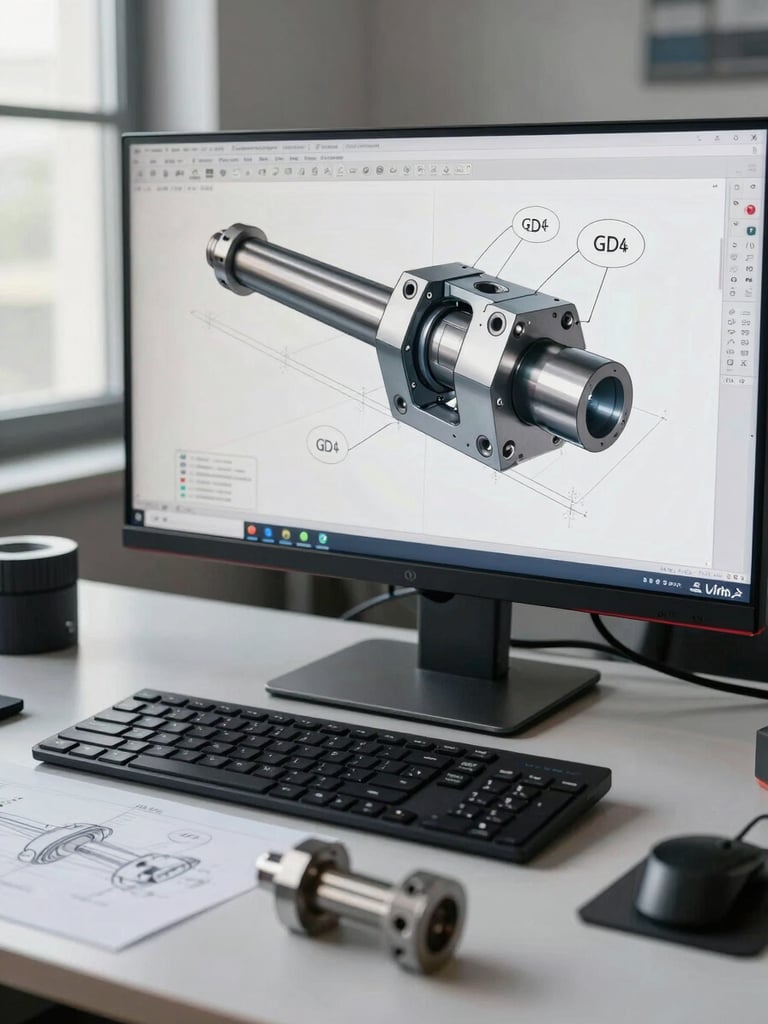
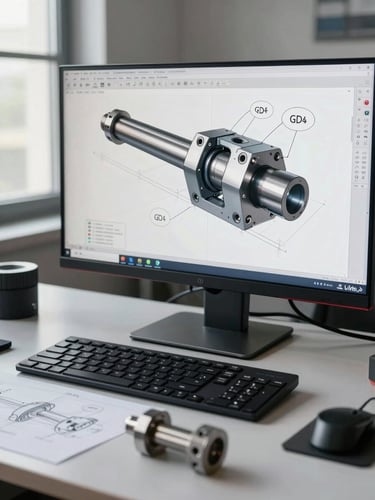
A fully dimensioned assembly model from an actual client brief.
The course capstone is sourced from a real industrial design brief — a multi-part mechanical assembly with defined load conditions, material specs, and drawing package requirements.
You leave with a portfolio piece that hiring engineers can review against an actual scope of work — not a textbook exercise. That distinction is what makes the difference in a technical interview.
Your portfolio starts with the next cohort.
Seats are limited per cohort to maintain the instructor-to-student ratio that keeps feedback specific and technical. Enrollment closes when the cohort fills.